Apple Doodle Seamless Pattern: A Playful, Versatile Design Trend Explained
Imagine opening a notebook and seeing cheerful red apples—hand-drawn, slightly uneven, with looping stems and friendly leafy curls—repeating effortlessly across the page. That’s the charm of an Apple Doodle Seamless Pattern: a hand-crafted, repeatable design built around a whimsical red apple motif. More than just a decorative flourish, this pattern bridges artistry and utility—appearing on stationery, apparel, digital backgrounds, educational materials, and even packaging. In this article, we’ll explore what makes this doodle-style pattern special, why it resonates so widely, and how it fits meaningfully into creative work, branding, learning environments, and everyday life.
What Exactly Is an Apple Doodle Seamless Pattern?
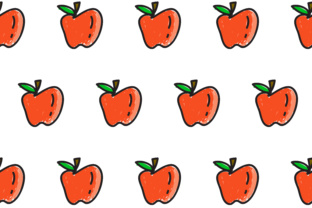
At its core, a seamless pattern is a tileable graphic—designed so that when repeated side-by-side or top-to-bottom, the edges align perfectly without visible seams or breaks. An Apple Doodle Seamless Pattern specifically features a hand-drawn red apple as its central motif. Unlike photorealistic or vector-perfect apples, this version embraces imperfection: wobbly outlines, sketchy shading, expressive stems, and organic leaf shapes—all rendered in warm reds, soft greens, and earthy browns.
This isn’t clipart. It’s intentional doodling—a style rooted in authenticity and human touch. The “doodle” quality signals approachability and creativity, while the “seamless” functionality ensures practical usability across surfaces and scales.
Key Visual Characteristics
- Hand-drawn aesthetic: Irregular lines, slight asymmetry, and subtle texture mimic pencil or ink on paper.
- Red apple focus: Typically a classic round or slightly oblong fruit, often with a glossy highlight and a curved stem.
- Natural accents: Curled leaves, tiny blossoms, or vine-like connectors may accompany the apple—but never overwhelm it.
- Neutral or muted background: Often white, cream, light gray, or pale sage—ensuring contrast and versatility.
- Consistent repeat logic: Designed using tile-based software (like Adobe Illustrator’s Pattern Maker or Procreate’s symmetry tools) to ensure flawless tiling at any size.
Why This Pattern Matters—Beyond Just Looks
Patterns aren’t just about decoration—they’re silent communicators. The Apple Doodle Seamless Pattern carries layered meaning and function:
Educational Value & Cognitive Warmth
In classrooms and early-learning apps, apples are iconic symbols of knowledge, growth, and teacher appreciation. A hand-drawn apple pattern feels inviting, not intimidating—making it ideal for worksheets, flashcards, or classroom borders. Research in educational psychology suggests that low-stakes visual familiarity (like friendly, consistent motifs) can reduce cognitive load and support focus—especially for young learners or neurodiverse students. Unlike high-contrast geometric patterns, doodle-style apples offer gentle visual rhythm without overstimulation.
Creative Branding & Small Business Appeal
Small businesses—from indie stationery shops to organic juice bars—use this pattern to convey authenticity, freshness, and handmade care. A café’s napkin design featuring a red apple doodle pattern subtly reinforces values like natural ingredients and community warmth. Importantly, it avoids clichéd stock imagery while remaining instantly recognizable—a strategic middle ground between generic and overly niche.
Digital & Print Flexibility
Thanks to its vector-friendly construction and neutral palette, the Apple Doodle Seamless Pattern scales flawlessly—from a tiny favicon (16×16 pixels) to a 10-foot trade show banner. Designers use it for:
- Website background textures (subtle, non-distracting)
- Custom Notion or Canva templates
- Reusable sticker sheets and washi tape designs
- Textile prints for aprons, tote bags, or children’s clothing
- Branded Zoom virtual backgrounds for educators and coaches
Common Misconceptions—Clarified
Before diving into usage, let’s clear up three frequent assumptions:
- “It’s just for kids.” While popular in education, professional designers use this pattern in sophisticated contexts—think minimalist wellness brand identities or editorial illustrations where warmth balances clean typography.
- “Seamless = boring repetition.” Not at all. Skilled creators introduce intentional variation: rotating apple angles, alternating leaf directions, or layering transparent overlays—keeping rhythm dynamic and visually rich.
- “Hand-drawn means low-quality.” Quite the opposite. Authentic hand-drawn patterns require technical precision to tile seamlessly. Many artists spend hours refining anchor points and edge alignment—blending craft with digital discipline.
How to Use It Thoughtfully (Not Just Decoratively)
Maximizing impact means moving beyond “pretty background.” Here’s how purpose-driven users apply it:
For Educators & Curriculum Designers
Use the pattern as a visual anchor in thematic units—e.g., an “Apples & Autumn Science” unit where the same doodle appears on lab handouts, slide headers, and exit-ticket cards. Consistency builds recognition; the doodle style lowers barriers to engagement—especially for reluctant writers or emerging readers.
For Freelance Designers & Creatives
Offer customizable Apple Doodle Seamless Patterns as part of brand starter kits. Clients receive not just a logo, but coordinated patterns for social media banners, email footers, and printable resources—creating cohesive, scalable brand ecosystems. Bonus tip: Provide versions in accessible color modes (e.g., high-contrast black-and-white variants) to meet WCAG guidelines.
For DIY Enthusiasts & Hobbyists
Print the pattern on iron-on transfer paper to customize denim jackets—or cut it with a Cricut machine for vinyl decals on water bottles and notebooks. Because it’s seamless, you control scale: enlarge for bold wall murals or shrink for delicate embroidery transfers.
The Bigger Picture: Why Doodle Patterns Endure
In an age of AI-generated perfection and algorithmic uniformity, hand-drawn patterns like the Apple Doodle Seamless Pattern represent something quietly revolutionary: human-centered design. They acknowledge that connection—not just clarity—fuels understanding. When someone sees a wobbly red apple repeated across a planner page, they don’t just register “fruit.” They sense intention, care, and quiet joy.
This aligns with broader cultural shifts: the rise of slow design, the popularity of analog-inspired digital tools (like GoodNotes’ paper textures), and consumer preference for brands with tangible craft behind them. It’s no accident that Apple (the tech company) uses minimalist elegance—while the apple doodle pattern celebrates joyful imperfection. Both reflect different, equally valid expressions of value.
Getting Started—Practical Next Steps
Ready to explore or create your own? Try these beginner-friendly actions:
- Search smartly: Use terms like “hand drawn apple seamless pattern PNG” or “red apple doodle vector pattern free download”—and always check licensing for personal vs. commercial use.
- Experiment digitally: In Canva or Figma, upload a seamless tile and adjust opacity (15–30%) for subtle texture behind text.
- Sketch first: Even if you’ll digitize later, draw 3–5 apple variations on paper. Notice how small changes—stem curve, leaf tilt, highlight placement—alter personality.
- Test real-world scale: Print a 4×4 inch swatch before committing to fabric or wallpaper. Seamless doesn’t mean invisible—spacing and density must suit the medium.
Whether you’re designing a kindergarten welcome sign or launching a farm-to-table food blog, the Apple Doodle Seamless Pattern offers more than visual charm—it’s a versatile, empathetic, and enduring tool for making ideas feel human, grounded, and ripe with possibility.