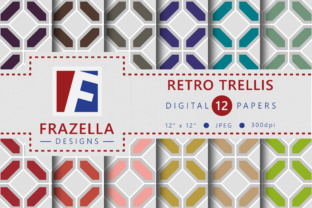
Retro Trellis Digital Paper Collection: Timeless Patterns for Modern Creative Projects
Whether you're designing a heartfelt birthday card, building a digital scrapbook album, or crafting printable wall art for your home office, the right background pattern can transform your project from ordinary to extraordinary. The Retro Trellis Digital Paper Collection is more than just a set of decorative files — it’s a versatile, high-resolution toolkit designed to spark creativity across digital and print mediums. With its nostalgic charm and professional-grade quality, this collection bridges vintage aesthetics with contemporary design needs.
What Is the Retro Trellis Digital Paper Collection?
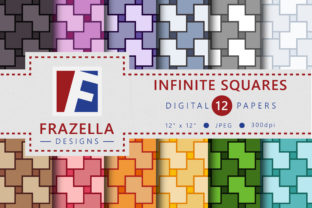
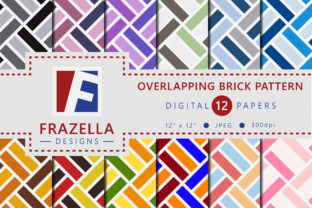
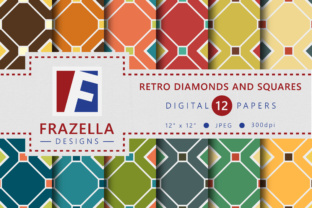
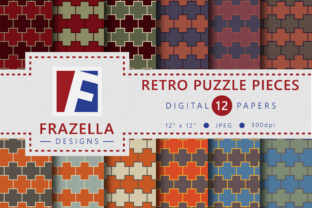
The Retro Trellis Digital Paper Collection is a curated set of 12 high-resolution JPG digital papers, each featuring an elegant, repeating trellis motif inspired by mid-century design sensibilities. Unlike generic clipart or low-res web graphics, these papers are created at 300 DPI (dots per inch), ensuring crisp, clean output whether viewed on screen or printed on premium cardstock, photo paper, or even fabric transfers.
Each file measures 12 inches by 12 inches at full resolution — the industry standard size for digital scrapbooking and print-ready design work. That means no stretching, pixelation, or awkward tiling when scaling for greeting cards (5" x 7"), social media posts (1080 x 1080 px), or large-format prints like framed art or DIY gift wrap.
Why “Trellis” — and Why “Retro”?
A trellis is a classic architectural and decorative element — an open framework of interwoven latticework, often used to support climbing plants. In design, trellis patterns evoke structure, rhythm, and organic symmetry. They’re inherently balanced yet visually engaging — perfect as subtle backgrounds that add depth without overwhelming foreground elements like text or photos.
The “retro” aspect refers not to outdated technology, but to intentional stylistic choices drawn from design movements of the 1940s–1970s: softened lines, warm earthy palettes (think olive greens, burnt oranges, dusty pinks, and cream), and hand-drawn texture overlays that lend authenticity. This isn’t AI-generated repetition — it’s thoughtfully crafted visual storytelling.
Who Benefits From This Collection?
This collection serves a surprisingly wide audience — far beyond hobbyist crafters. Let’s break down real-world applications:
- Print-on-Demand Sellers: Use trellis papers as base layers for mugs, notebooks, tote bags, or phone cases — the consistent repeat ensures seamless wrapping and professional presentation.
- Educators & Homeschoolers: Create themed worksheets, classroom banners, or student award certificates with cohesive, calming visuals that support focus without distraction.
- Small Business Owners: Design branded packaging inserts, thank-you cards, or digital newsletters that reflect heritage, craftsmanship, and attention to detail — all without hiring a graphic designer.
- Digital Scrapbookers: Layer trellis papers behind photos, journaling blocks, or embellishments to add dimension and period-appropriate flair to memory-keeping projects.
- Wedding Planners & DIY Couples: Build cohesive stationery suites — from save-the-dates to menu cards — using one unified, elegant pattern family.
How to Use These Digital Papers Effectively
Because these are digital papers, not templates or pre-made designs, their flexibility is one of their greatest strengths. Here’s how to maximize value:
- Import into Design Software: Open any JPG in tools like Adobe Photoshop, Canva, Affinity Designer, or even Microsoft PowerPoint. Resize, recolor (using adjustment layers or blending modes), or mask portions to highlight specific areas.
- Combine With Typography: Pair a muted trellis background with clean sans-serif fonts for modern contrast, or use serif typefaces for full retro harmony. Try setting text in white or soft gold for standout readability.
- Create Seamless Repeats: Though each file is already tileable, advanced users can use “Offset” filters (in Photoshop) to refine edges or generate infinite repeats for large-scale projects like wallpaper mockups.
- Print Smartly: For physical output, always select “High Quality Print” settings and verify color profiles (sRGB for screens, CMYK for commercial printers). When printing at home, use matte or semi-gloss photo paper for best texture fidelity.
Common Misconceptions — Clarified
Some users assume digital papers are only for scrapbookers — but that’s outdated. Others worry about licensing restrictions. Let’s clear those up:
- “Digital papers = only for personal use.” Not true. This collection includes a commercial-use license, meaning you may incorporate these papers into products you sell — including physical goods and digital downloads — as long as you don’t resell the papers themselves “as-is.”
- “JPG format limits editing options.” While PNG offers transparency, JPGs are ideal for rich-color backgrounds. You can easily place them on new layers and apply blending modes (e.g., Multiply, Overlay) to integrate with other design elements.
- “Retro means ‘old-fashioned’ — not suitable for modern brands.” Quite the opposite. Today’s top-performing brands (like Glossier, Milk Bar, or Anthropologie) lean into retro-inspired warmth to convey authenticity and approachability. A well-chosen trellis pattern signals intentionality, not irrelevance.
Why High Resolution Matters — Beyond the Buzzword
You’ll often see “high-resolution” advertised — but what does it *actually* mean for your workflow?
A 300 DPI, 12"x12" JPG contains over 12.7 million pixels. That density allows for sharp detail in fine linework and smooth gradients — critical when printing small elements like monogrammed tags or intricate borders. Low-res alternatives (72 DPI, typical for web banners) would appear blurry or jagged at the same physical size, especially under close inspection or in professional photography contexts.
Beyond print, high-res files future-proof your projects. As display technologies evolve (e.g., Retina screens, 4K monitors), having source files that scale gracefully ensures your designs stay polished — whether shared via email, embedded in a client presentation, or uploaded to an online portfolio.
Getting Started: Simple First Steps
No design degree required. Here’s how beginners can begin in under five minutes:
- Download the ZIP file containing your 12 JPGs.
- Open Canva (free account works fine) and create a blank 5"x7" design.
- Click “Uploads,” drag in one trellis paper, and resize to cover the canvas.
- Add a heading (“Happy Birthday!”) and choose a bold, legible font.
- Export as PDF for printing or JPG for digital sharing.
That’s it — you’ve just created a custom, professional-looking card using authentic retro design language.
Final Thoughts: More Than Just Backgrounds
The Retro Trellis Digital Paper Collection represents a thoughtful intersection of form and function. It respects design history while serving today’s fast-paced creative demands. In a world saturated with generic stock graphics and algorithmically generated patterns, choosing a hand-crafted, cohesive collection says something about your values: care, consistency, and creative confidence.
Whether you're launching a side hustle, supporting a child’s school project, or simply rekindling a love for tactile-making in a digital age, these 12 papers offer both inspiration and practical utility. They don’t shout for attention — they invite pause, appreciation, and purposeful creation.
So go ahead: download, experiment, layer, print, share. Let the quiet elegance of the trellis — rooted in tradition, refined for now — become part of your creative vocabulary.