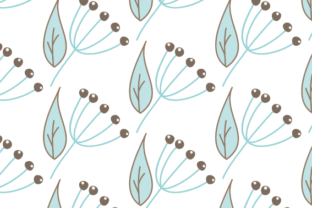
Blue Spring Pattern: A Romantic Design for Textiles and Wallpapers
The Blue Spring Pattern is a visually captivating design that evokes the essence of springtime, blooming fields, and dreamy summer days. With its romantic style and soft, flowing elements, this motif has become a popular choice among designers, creators, and homeowners looking to infuse their spaces with a touch of elegance and natural beauty. Whether used in textiles or as a decorative element on wallpapers, the Blue Spring Pattern offers versatility, aesthetic appeal, and a timeless charm.
Design Characteristics and Visual Appeal
The Blue Spring Pattern is defined by its delicate floral motifs, which are rendered in shades of blue and green, creating a serene and calming visual effect. The pattern features a variety of flowers, each carefully designed to reflect the diversity of spring flora. These include daisies, lilies, violets, and other blossoms that symbolize renewal, growth, and hope.
What sets the Blue Spring Pattern apart from other floral designs is its emphasis on softness and movement. The petals appear to flutter in the breeze, while the stems curve gracefully, giving the impression of life and vitality. This dynamic quality makes the pattern particularly effective in environments where a sense of tranquility and warmth is desired.
In terms of color palette, the Blue Spring Pattern utilizes a range of blues, from deep indigo to light sky blue, paired with soft greens and pastel accents. This combination not only enhances the natural feel of the design but also ensures it can be adapted to various settings, whether modern or traditional.
Applications in Textiles and Wallpapers
The Blue Spring Pattern is especially well-suited for use in textiles such as curtains, upholstery, bedding, and fabric for home décor. Its romantic and nature-inspired theme makes it an excellent choice for creating a cozy and inviting atmosphere in living spaces. For instance, using the pattern on throw pillows or tablecloths can add a subtle yet elegant touch to any room.
When applied to wallpapers, the Blue Spring Pattern transforms interior walls into immersive landscapes. It is particularly effective in bedrooms, nurseries, and living areas where a gentle, soothing environment is preferred. The pattern’s intricate details and soft hues create a backdrop that complements a wide range of furniture styles and color schemes.
One of the advantages of the Blue Spring Pattern is its scalability. Whether printed at a small scale for intricate detailing or expanded for bold coverage, the design maintains its visual integrity and charm. This flexibility allows it to be used in both small-scale projects and large-format applications without losing its aesthetic appeal.
Technical Files and Accessibility
To ensure the Blue Spring Pattern can be easily integrated into various design workflows, it is available in multiple file formats. These include:
- 2 JPG files – ideal for quick previews and web-based applications
- 1 DXF file – suitable for vector-based design software and CAD programs
- 1 EPS file – perfect for high-quality print and professional use
- 1 SVG file – compatible with digital design tools and responsive web layouts
The availability of these diverse file types ensures that the Blue Spring Pattern can be utilized across different platforms and industries. Designers working in graphic design, fashion, or interior decoration can benefit from having access to the pattern in formats that suit their specific needs.
Considerations for Use
While the Blue Spring Pattern offers numerous benefits, there are a few considerations to keep in mind when incorporating it into a project. First, the pattern’s intricate details may require careful placement to avoid overwhelming the space. It is advisable to test the design on a smaller scale before applying it to larger surfaces.
Second, the color palette of the Blue Spring Pattern should be considered in relation to the overall color scheme of the room or product. While the pattern is versatile, it may not be the best fit for environments with strong contrasting colors or bold patterns.
Lastly, the Blue Spring Pattern is best suited for environments that prioritize comfort and relaxation. It may not be the most appropriate choice for high-traffic areas or spaces that require a more contemporary or minimalist aesthetic.
Conclusion
The Blue Spring Pattern is a remarkable design that captures the spirit of spring and brings a sense of romance and serenity to any space. Its unique characteristics, including its soft color palette and flowing floral motifs, make it a versatile and appealing option for both textiles and wall coverings. With its availability in multiple file formats, the pattern is accessible to a wide range of users, from professionals to hobbyists. By understanding its strengths and limitations, designers and consumers can effectively incorporate the Blue Spring Pattern into their projects, creating spaces that are both beautiful and meaningful.