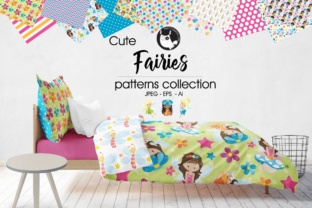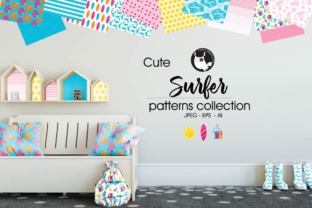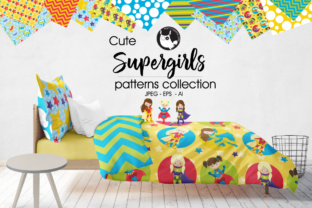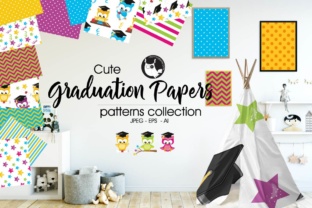
Gymnastic Pattern Backgrounds for Creative Projects
When you think of “gymnastic,” you might picture balance beams, rhythmic ribbons, or joyful flips—but in design, Gymnastic refers to a playful, energetic, and precisely balanced visual style. It’s not about athletic performance—it’s about movement translated into pattern: clean lines, coordinated repetition, cheerful symmetry, and a sense of light, controlled motion. These qualities make Gymnastic-themed backgrounds especially effective for projects that need charm without clutter, structure without stiffness, and personality without distraction.
Why Designers Love Gymnastic-Inspired Patterns
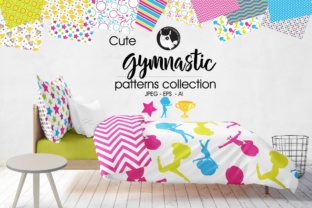
Gymnastic patterns bring rhythm and intention to digital and print work. Unlike busy florals or abstract textures, they use thoughtful spacing, consistent scale, and harmonious shapes—think leaping silhouettes, interlocking hoops, subtle balance bars, or stylized ribbons looping with gentle precision. That intentional flow supports clarity and focus, whether you’re designing a children’s worksheet, a boutique yoga studio’s social post, or a planner cover for students and professionals alike.
What sets these designs apart is their dual nature: they feel super cute at first glance—soft colors, rounded edges, friendly proportions—but they’re built on solid design principles. Each element aligns cleanly, repeats predictably, and scales flawlessly. That’s why they work so well across formats: from tiny app icons to large-format wall decals.
What You’ll Receive—and Why It Matters
You’ll get a complete, ready-to-use set of high-quality graphic elements designed with both creativity and practicality in mind:
- 1 EPS Vector File — Fully scalable, ideal for logos, signage, embroidery digitizing, or large-print applications like banners and murals.
- 1 Adobe Illustrator (.ai) File — Layered, editable, and organized—perfect if you want to tweak colors, isolate elements, or combine motifs with your own branding.
- Individual hi-res JPEGs (300 DPI) — Each graphic saved separately, crisp and print-ready for flyers, presentations, Canva templates, or product mockups.
No rasterized mess. No blurry upscales. Just clean, professional assets you can drop into real-world projects—immediately.
Real-Life Uses Across Audiences
Whether you're just starting out or running a full-service design studio, Gymnastic patterns fit naturally into everyday creative needs.
For educators and homeschoolers: Use the background tiles to create engaging flashcards, reward charts, or themed lesson slides—especially for physical education units, wellness curricula, or motor-skill development activities. The joyful yet orderly aesthetic helps hold attention without overwhelming young learners.
For small business owners and makers: Apply these patterns to packaging inserts, thank-you cards, or product labels for fitness gear, kids’ apparel, or wellness subscriptions. Because each motif is distinct but cohesive, you can build a recognizable visual language—even without a full brand identity yet.
For bloggers and content creators: Swap generic stock backgrounds for something more distinctive in Instagram carousels, Pinterest pins, or YouTube thumbnails. A Gymnastic-pattern overlay adds energy and polish—without competing with your text or subject.
For freelancers and marketers: Speed up client deliverables by using pre-made, editable vector elements. Need a custom event banner for a school gymnastics meet? Tweak the color palette in Illustrator and export in seconds. Building a Canva template pack? Drop in the JPEGs as seamless tileable swatches.
Beginner-Friendly Tips for Best Results
If you’re new to working with vector patterns or layered design files, here are a few grounded suggestions:
- Start simple. Try one motif at a time—like a single ribbon loop or a pair of stylized hands in a cartwheel pose—before layering multiple elements.
- Check contrast. Even super cute patterns need legibility. When adding text over a background, test readability at actual size—not just on your monitor.
- Respect the grid. Gymnastic patterns thrive on alignment. If you’re tiling or repeating, use your software’s snapping or pattern tool to keep spacing consistent.
- Think beyond the screen. These files are print-ready, so consider tactile uses too: sticker sheets, iron-on transfers, or even fabric prints for leotards or tote bags.
What to Consider Before Using Gymnastic Designs
While these patterns are versatile, it’s helpful to pause and ask a few practical questions before diving in:
Is your audience likely to connect with the theme? Gymnastic motifs resonate strongly with early childhood, wellness, education, and lifestyle brands—but may feel off-topic for law firms or financial dashboards. That’s not a limitation—it’s clarity. Matching visual tone to context builds trust faster than any trend.
Do you need full commercial rights? This set includes standard licensing for personal and commercial use—including selling end products like printed planners or digital downloads—so you won’t hit unexpected restrictions down the line.
How much customization do you anticipate? If you plan to recolor or reposition frequently, the .ai file will save hours over trying to edit flattened JPEGs. And because the EPS is vector-based, resizing for different platforms—from mobile ads to trade show backdrops—is truly hassle-free.
A Thoughtful Choice for Meaningful Design
Gymnastic isn’t just another aesthetic—it’s a reminder that good design balances playfulness with precision. It invites participation (a child tracing a hoop shape), supports function (a teacher organizing visual cues), and elevates presentation (a freelancer delivering polished client assets). That balance is rare. And when paired with super cute execution and high-quality technical delivery, it becomes genuinely useful.
You don’t need advanced skills to benefit from these graphics. You just need a project where clarity, charm, and consistency matter—whether that’s a birthday invitation for a gymnast’s party, a workshop handout for movement-based learning, or a branded Notion template for goal tracking. With clean vectors, editable layers, and sharp JPEGs, everything you need is already structured, tested, and ready to go.
The best part? You’re not just getting pretty pictures—you’re getting design intelligence, built-in flexibility, and quiet confidence that what you’re using looks intentional, works reliably, and fits naturally into how people actually create today.