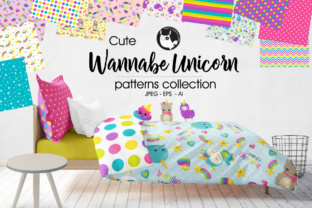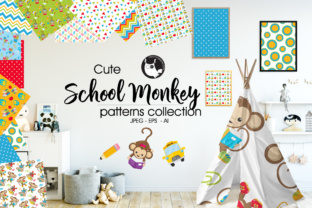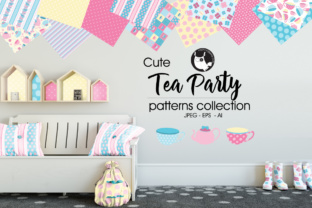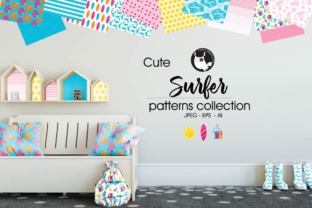
Babyh Bugs & Super Cute Pattern Backgrounds: High-Quality Design Resources for Creatives
Whether you're designing baby shower invitations, crafting playful branding for a children’s boutique, or building a whimsical website for an early-learning app, the right visual foundation makes all the difference. That’s where Babyh Bugs and super cute, high-quality pattern background designs come in — not just as decorative flourishes, but as purpose-built creative assets that combine charm, versatility, and professional-grade technical precision.
What Exactly Are Babyh Bugs Pattern Backgrounds?
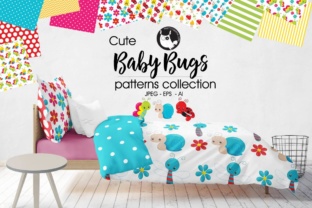
Babyh Bugs refers to a curated collection of cheerful, hand-crafted insect-inspired motifs — think friendly ladybugs, smiling bumblebees, fluttering butterflies, and curious caterpillars — stylized with soft curves, gentle colors, and a distinctly modern-yet-whimsical aesthetic. These aren’t generic clipart bugs; they’re thoughtfully designed characters embedded within seamless, repeatable pattern backgrounds ideal for surface design, print media, and digital interfaces.
Each pattern is built around a cohesive color palette (often featuring mint greens, buttery yellows, blush pinks, and sky blues) and balanced negative space — ensuring readability when overlaid with text or layered beneath UI elements. The “super cute” descriptor isn’t just marketing fluff: it reflects intentional design choices — rounded edges, expressive eyes, subtle shadows, and consistent line weights — all contributing to warmth, approachability, and emotional resonance.
Why High-Quality Patterns Matter More Than You Think
In today’s visually saturated world, low-resolution or poorly constructed patterns can undermine even the strongest concept. A blurry JPEG tiling across a product label? A vector pattern that distorts at large sizes? These issues erode credibility — especially in industries like children’s publishing, educational tech, or premium apparel, where attention to detail signals care and professionalism.
That’s why high-quality pattern backgrounds go beyond aesthetics. They’re engineered for real-world use:
- Scalability: Vector formats (EPS and .ai) retain crispness whether printed on a tiny onesie tag or projected onto a classroom wall.
- Adaptability: Individual motif files let designers isolate elements for custom layouts, animations, or icon sets.
- Production Readiness: 300 DPI JPEGs meet commercial printing standards — no last-minute upscaling or pixelation surprises.
Unlike free pattern generators or AI-upscaled images, these resources are created by designers who understand spacing, rhythm, and visual hierarchy — fundamentals that make patterns feel *alive*, not repetitive.
What You’ll Receive: A Complete, Ready-to-Use Toolkit
When you choose a Babyh Bugs pattern set, you’re not downloading a single image — you’re gaining full creative control through three complementary file types, each serving a distinct role in your workflow:
1. EPS Vector File
The industry-standard, cross-platform vector format. Perfect for opening in Adobe Illustrator, CorelDRAW, Affinity Designer, or even newer tools like Figma (via import). Because it’s resolution-independent, you can scale it infinitely without quality loss — ideal for signage, fabric printing, or large-format murals.
2. Adobe Illustrator (.ai) File
A fully layered, editable native file. All strokes, fills, and pattern swatches are preserved — meaning you can recolor individual bugs in seconds, adjust spacing between repeats, or swap out one motif for another while keeping alignment intact. Great for agencies managing multiple client brands or educators customizing materials for different age groups.
3. Hi-Res 300 DPI JPEG Files
Each graphic element saved individually as a high-resolution raster image. No cropping, no compression artifacts — just clean, print-ready files. Use them directly in Canva, PowerPoint, Mailchimp templates, or social media banners where vector support is limited. Bonus: they’re optimized for fast loading without sacrificing fidelity.
Real-World Applications Across Industries
These aren’t niche assets reserved for crafters alone. Here’s how professionals across sectors apply Babyh Bugs patterns meaningfully:
- Educators: Create themed worksheets, classroom posters, or interactive PDFs that reduce cognitive load through familiar, joyful visuals — supporting early literacy and emotional engagement.
- Small Business Owners: Build cohesive brand identities for baby boutiques, Montessori schools, or pediatric therapy practices — from business cards to packaging tape.
- Web & App Designers: Use subtle bug-patterned dividers or background sections to add personality to landing pages, onboarding flows, or parent-facing dashboards — without distracting from core functionality.
- Print-on-Demand Artists: Integrate motifs into greeting cards, nursery art prints, or organic cotton onesies — knowing every file meets production requirements before upload.
Common Misconceptions — Clarified
Before diving in, it helps to clear up a few assumptions often tied to pattern design:
❌ “Cute = Unprofessional”
Not true. When executed with intention — thoughtful typography pairing, restrained color application, and smart layout integration — super cute patterns convey empathy, inclusivity, and user-centered thinking. Think of Apple’s early education apps or Khan Academy Kids: playfulness serves pedagogy.
❌ “Any PNG Will Do for Patterns”
Random PNGs rarely tile seamlessly. Gaps, misaligned edges, or inconsistent lighting break visual continuity. Professionally built patterns solve this with precise offset calculations and manual refinement — something automated tools still struggle to replicate reliably.
❌ “Vector Means ‘No Need for JPEGs’”
While vectors excel in scalability, many platforms (email clients, basic CMS themes, social media tools) only accept raster formats. Having both ensures you’re never stuck redesigning mid-project because a client’s printer requires JPEGs or their developer needs web-optimized assets.
How to Maximize Your Babyh Bugs Assets
Getting the most from your purchase goes beyond dragging and dropping. Try these practical tips:
- Start with context: Before applying a pattern, ask: What emotion should this evoke? Calm curiosity? Playful energy? Match the pattern density and color temperature accordingly — e.g., a sparse butterfly repeat for serene nursery branding vs. a vibrant ladybug grid for a summer camp flyer.
- Layer intentionally: Use the individual JPEGs to create depth — place a single bee over a subtle background repeat, then overlay semi-transparent text. This adds dimension without clutter.
- Customize, don’t just copy: Open the .ai file and experiment. Change a bug’s antennae shape, rotate a motif 15°, or replace a yellow fill with a gradient. Small tweaks yield unique results — and reinforce your brand voice.
- Test across devices: View JPEGs on mobile, tablet, and desktop. Does the pattern remain legible at thumbnail size? Adjust contrast or simplify if needed — usability always trumps ornamentation.
Final Thoughts: Design With Purpose, Not Just Pretty
At its core, the Babyh Bugs collection represents more than adorable graphics — it embodies a design philosophy rooted in empathy, accessibility, and craftsmanship. In a landscape where speed often overshadows substance, choosing high-quality, ethically sourced, technically sound assets is an act of respect: for your audience, your collaborators, and your own creative integrity.
Whether you’re launching your first Etsy shop or refreshing a decade-old curriculum, these patterns offer a reliable, joyful starting point — one that grows with you, adapts to your needs, and consistently delivers delight without compromise. After all, the best design doesn’t shout. It smiles, invites, and quietly makes everything just a little easier — and a lot more fun.