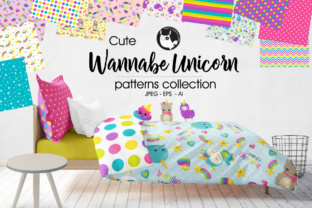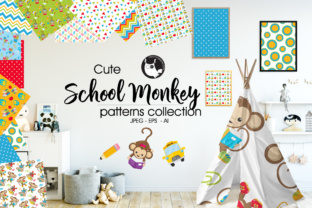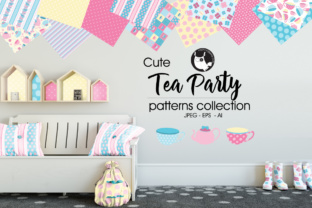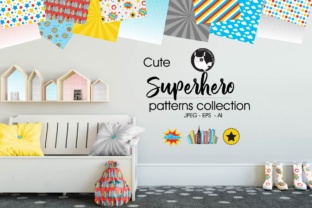
Bat Papers: Super Cute, High-Quality Pattern Background Designs for Creative Professionals
Whether you're designing greeting cards, crafting social media graphics, developing brand assets, or preparing print-ready stationery, bat papers offer a delightful and versatile solution. Far more than just whimsical decor, these super cute, high-quality pattern background designs blend playful aesthetics with professional-grade functionality—making them indispensable tools for designers, educators, small business owners, and DIY enthusiasts alike.
What Exactly Are Bat Papers?
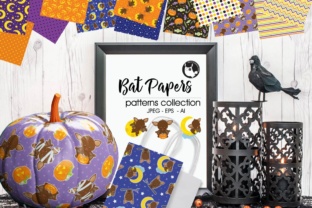
Bat papers refer to curated digital design resources featuring repeating patterns inspired by bats—often stylized with charm, elegance, or gentle humor. Unlike generic clipart or low-resolution web graphics, authentic bat papers are crafted with intention: balanced composition, thoughtful color palettes, and scalable vector precision. They’re not about spooky Halloween tropes alone; instead, they celebrate bats as symbols of intuition, community, and quiet magic—ideal for baby showers, nature-themed branding, eco-conscious campaigns, or even mindful journaling kits.
Crucially, “bat papers” in this context describe a design product, not physical stationery. You won’t receive printed sheets—but rather a carefully assembled set of graphic elements optimized for flexibility and fidelity across platforms and outputs.
What You’ll Receive: Professional-Grade Files, Ready to Use
When you acquire a premium bat paper collection, you’re investing in production-ready assets—not just inspiration. Here’s exactly what’s included:
- 1 EPS Vector File — Universally compatible with Adobe Illustrator, CorelDRAW, InDesign, and most professional design software. Perfect for scaling to billboard size without pixelation or quality loss.
- 1 Adobe Illustrator (.ai) File — Fully layered and editable, allowing you to adjust colors, isolate motifs, or tweak spacing with ease. Ideal for customizing patterns to match your brand guidelines.
- Individual High-Resolution JPEGs (300 DPI) — Each pattern is saved separately as a crisp, print-ready image. These are perfect for quick uploads to Canva, Shopify product mockups, or direct use in Microsoft PowerPoint or Google Slides presentations.
All files are organized intuitively, labeled clearly, and delivered in a single ZIP folder—no hidden layers, no broken links, no guesswork. This isn’t clipart from the early 2000s; it’s modern, intentional, and engineered for real-world creative workflows.
Why Vector + Raster Matters (And Why It’s Not Overkill)
You might wonder: Do I really need both EPS and JPEG versions? Yes—and here’s why.
Vectors (EPS and .ai) preserve infinite scalability and editability. Imagine resizing a bat motif from a tiny favicon to a 4'×8' wall decal—it stays razor-sharp. Meanwhile, JPEGs provide instant usability: drag-and-drop into email newsletters, blog headers, or Etsy listing images without opening Illustrator. Having both ensures you’re covered whether you’re fine-tuning a logo in vector space or scheduling Instagram posts in a content calendar.
This dual-format approach reflects the reality of today’s creative ecosystem—where speed and precision must coexist.
The Real-World Value of Super Cute, High-Quality Patterns
“Super cute” isn’t just marketing fluff—it signals emotional resonance. In an age of visual fatigue and algorithm-driven feeds, cuteness (when done authentically) builds connection. Think of it like visual comfort food: a soft pastel bat swirling through delicate florals invites pause, warmth, and recognition.
Meanwhile, “high-quality” speaks to technical excellence: consistent line weights, harmonious color ratios (CMYK- and RGB-safe), seamless tiling, and intentional negative space. Poorly constructed patterns break at tile edges, clash in tone, or lose clarity when scaled—undermining professionalism before your audience even reads a word.
Consider these practical applications:
- Educators use bat paper backgrounds to create engaging worksheets, classroom posters, or themed reading logs—especially during units on nocturnal animals or biodiversity.
- Small business owners apply them to packaging inserts, thank-you cards, or limited-edition labels—adding memorable charm that encourages unboxing shares and repeat purchases.
- Content creators layer them beneath quotes or podcast episode art, giving social posts distinctive texture without competing with foreground text.
- Print-on-demand designers integrate them into notebook covers, phone cases, or fabric swatches—knowing the vector source guarantees flawless reproduction at any size.
Dispelling Common Misconceptions
Misconception #1: “Cute patterns aren’t serious enough for professional work.”
Not true. Brands like Meow Wolf, The Little Market, and even NASA’s educational outreach use joyful, character-driven visuals to communicate complex ideas accessibly. Cuteness, when grounded in craft, conveys confidence—not compromise.
Misconception #2: “Any free pattern will do—I don’t need ‘premium’ files.”
Free resources often lack licensing clarity, contain embedded watermarks, or use compressed JPEGs unsuitable for print. Worse, many aren’t designed for seamless repetition—leading to visible seams or misaligned repeats. With bat papers, you get commercial-use rights, clean vectors, and meticulous attention to tiling logic.
Misconception #3: “I’m not a designer—I can’t use vector files.”
You absolutely can. Most modern tools (Canva Pro, Figma, even recent versions of PowerPoint) support EPS or .ai imports. And if you prefer simplicity? The included 300 DPI JPEGs work flawlessly anywhere you’d add an image.
How Bat Papers Fit Into Today’s Creative Landscape
In our increasingly digital, fast-paced world, consistency and authenticity matter more than ever. Consumers recognize—and reward—brands that invest in cohesive, human-centered visuals. A well-chosen bat paper background doesn’t distract; it supports. It adds subliminal storytelling—suggesting curiosity, gentleness, ecological awareness—without needing explanation.
Moreover, these patterns align with broader design trends: biophilic aesthetics, cottagecore sensibilities, and the resurgence of tactile, analog-inspired digital textures. They bridge nostalgia and innovation—evoking childhood storybooks while meeting contemporary accessibility standards (e.g., sufficient contrast between motif and ground).
From a sustainability perspective, using digital pattern assets reduces reliance on physical samples and printed proofs—cutting waste and streamlining collaboration across time zones.
Getting Started: Tips for Best Results
To maximize the impact of your bat papers:
- Start with intent: Ask, “What feeling should this evoke?” Calm? Playful? Mysterious? Let that guide your color adjustments and layout choices.
- Test at scale: Preview your JPEGs at actual print size (e.g., 8.5"×11") before finalizing—some details only reveal themselves at full resolution.
- Respect the grid: When building layouts in Illustrator or InDesign, enable smart guides and snapping to ensure seamless tile alignment.
- License wisely: Confirm your purchase includes extended commercial rights if you plan to use patterns in client work or physical products for resale.
Remember: great design isn’t about complexity—it’s about clarity, care, and connection. Bat papers deliver all three, wrapped in wings.
Final Thought: More Than Just Bats—It’s About Intentional Creativity
At their core, bat papers represent something deeper than decoration: they’re evidence of thoughtful creation in service of others’ expression. Whether you’re a teacher sparking wonder in young minds, an entrepreneur building a brand rooted in kindness, or a hobbyist filling a sketchbook with joy—these patterns meet you where you are.
They remind us that professionalism and playfulness aren’t opposites. That precision and personality can coexist. And that sometimes, the most powerful design choice is also the most charming one: a tiny, smiling bat, flying gracefully across your canvas—ready to help your idea take flight.