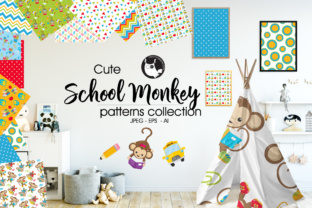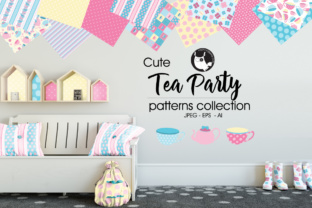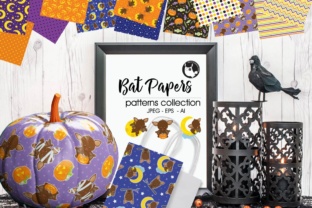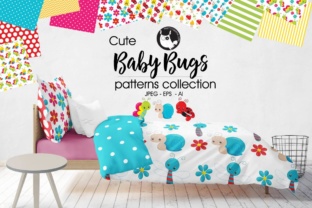
Wannabe Unicorn: A Thoughtful Look at Super Cute, High-Quality Pattern Background Design
Wannabe Unicorn is a curated digital design resource focused on playful yet polished pattern background design—specifically built for creators who value both aesthetic charm and technical reliability. Unlike generic clipart packs or algorithmically generated textures, Wannabe Unicorn delivers intentionally crafted, cohesive graphic elements rooted in whimsical illustration sensibility: soft gradients, balanced negative space, subtle texture overlays, and harmonious color palettes that avoid visual fatigue. The name hints at its spirit—not literal fantasy, but the aspirational, joyful energy many designers seek when building brands, invitations, social assets, or print-on-demand products.
What You Actually Receive—and Why Format Matters
Each Wannabe Unicorn pattern set includes three core deliverables: one EPS vector file, one native Adobe Illustrator (.ai) file, and individual high-resolution JPEGs (300 DPI). This combination reflects thoughtful consideration of real-world production needs.
- EPS files ensure broad compatibility across older and newer design software—including CorelDRAW, Affinity Designer, and legacy versions of Illustrator—making them especially useful for print vendors or collaborators using mixed toolsets.
- The .ai file preserves layers, editable text, and vector paths, allowing precise customization: adjusting spacing, recoloring elements, or isolating motifs for use in subcomponents like watermarks or icons.
- Individual 300 DPI JPEGs provide immediate usability for platforms with limited vector support—think email templates, basic CMS editors, or social media schedulers—without requiring conversion or risking rendering inconsistencies.
This multi-format approach avoids forcing users into a single workflow. It acknowledges that not every project starts in Illustrator, nor does every client accept vector files. That flexibility distinguishes Wannabe Unicorn from resources that supply only PNGs (which lack scalability) or SVG-only bundles (which may not integrate smoothly with print prep pipelines).
How Wannabe Unicorn Fits Within Broader Design Resource Categories
Pattern backgrounds fall across several overlapping categories: seamless tile sets, illustrative motif collections, texture overlays, and decorative vector packs. Wannabe Unicorn sits squarely in the first two—but with deliberate emphasis on illustration quality over procedural repetition.
Compared to algorithmic seamless patterns—often generated via tiling scripts or AI tools—Wannabe Unicorn patterns are hand-aligned and visually tested for rhythm and balance. You’ll notice intentional variations in scale, rotation, and placement that prevent the “machine-perfect” monotony sometimes found in automated outputs. This makes them better suited for projects where personality matters: boutique branding, children’s book interiors, or lifestyle blog headers where warmth and authenticity are priorities.
In contrast to maximalist or hyper-detailed vector packs—where density can overwhelm or slow down editing—Wannabe Unicorn maintains generous breathing room between elements. Its motifs are designed to sit comfortably behind text, overlay photos, or serve as subtle backdrops without competing for attention. That restraint supports accessibility, too: lighter contrast ratios and uncluttered composition reduce cognitive load, particularly for longer-form layouts.
Strengths Beyond Aesthetics
One under-discussed strength of Wannabe Unicorn lies in its consistency across formats. Because all JPEGs are exported directly from the same vector source—rather than upscaled from low-res previews—the color fidelity, edge sharpness, and detail retention remain uniform. This eliminates common headaches: mismatched hues between screen and print, pixelation when zooming in on web mockups, or unexpected halos around transparent edges.
Another practical advantage is licensing clarity. Each set carries standard commercial-use rights, covering physical products (like mugs or stationery), digital distribution (e-books, newsletters), and social content—no tiered subscriptions or usage caps. That predictability helps freelancers quote confidently and small businesses plan long-term asset use without renegotiating terms.
Tradeoffs to Consider
Wannabe Unicorn isn’t optimized for every scenario. Its focus on super cute, high-quality illustration means it leans toward lighthearted, friendly, or youthful contexts. It may feel tonally mismatched for corporate reports, medical communications, or minimalist luxury branding where austerity or gravitas is expected. Similarly, while the patterns scale beautifully, they aren’t built for ultra-large-format applications like trade show banners—at those sizes, fine details may lose impact unless paired with complementary typography or imagery.
Also worth noting: because each motif is saved individually as a JPEG, users needing tiled seamless repeats must manually build those in their own software. Wannabe Unicorn provides the raw pieces—not pre-tiled swatches. That’s intentional: it gives full control over repeat size, offset, and bleed—but requires basic familiarity with pattern creation workflows in Illustrator or Photoshop.
When Wannabe Unicorn Is Likely the Right Fit
Consider Wannabe Unicorn if your work regularly involves:
- Creating branded merchandise for indie makers, educators, or wellness practitioners—where approachability and visual warmth reinforce messaging;
- Designing digital newsletters or landing pages that need gentle visual interest without distracting from copy;
- Building printable resources—planners, worksheets, or activity sheets—for audiences who appreciate charm and clarity;
- Developing brand identities for early-stage startups or side projects where budget constraints rule out custom illustration, but off-the-shelf graphics feel too generic.
A real-world example: A freelance educator launching a subscription-based printable library chose Wannabe Unicorn patterns over stock photo-based backgrounds because the consistent line weight and pastel palette unified her product suite across dozens of PDFs—while still allowing her to tweak colors to match seasonal themes using the editable .ai file.
When You Might Explore Alternatives
If your project demands photorealistic textures (like linen, concrete, or watercolor paper), highly technical precision (such as engineering schematics or architectural plans), or strictly monochromatic or typographic patterns, Wannabe Unicorn’s illustrative style may not align. Likewise, teams managing hundreds of assets across global markets may prefer centralized, cloud-based libraries with metadata tagging and version history—capabilities outside the scope of a downloadable design pack.
For rapid prototyping in Figma or Sketch, some designers opt for plugin-based pattern generators that allow live adjustments—though those rarely match the tactile nuance of hand-crafted vectors like Wannabe Unicorn. The choice often comes down to whether speed or singularity matters more in that moment.
Making an Informed Decision
Evaluating Wannabe Unicorn isn’t about comparing pixels or price alone—it’s about matching intent. Ask yourself: Does this visual language reflect how I want my audience to feel? Will these files integrate smoothly into my current tools and delivery requirements? Do I need flexibility to adapt—or am I prioritizing plug-and-play simplicity?
Reviewing the JPEG samples at actual size (not just thumbnails), opening the .ai file in your version of Illustrator to test layer responsiveness, and checking EPS compatibility with your printer’s preflight checklist are low-effort steps that reveal more than any description. Many users find that testing one pattern set first—rather than buying bundles upfront—offers the clearest sense of fit.
Ultimately, Wannabe Unicorn serves a specific, well-defined niche: creators who want joyful, technically sound pattern backgrounds without sacrificing professionalism or versatility. It doesn’t try to be everything. But within its lane, it offers consistency, clarity, and quiet craftsmanship—qualities that compound over time, across projects, and through iterations.